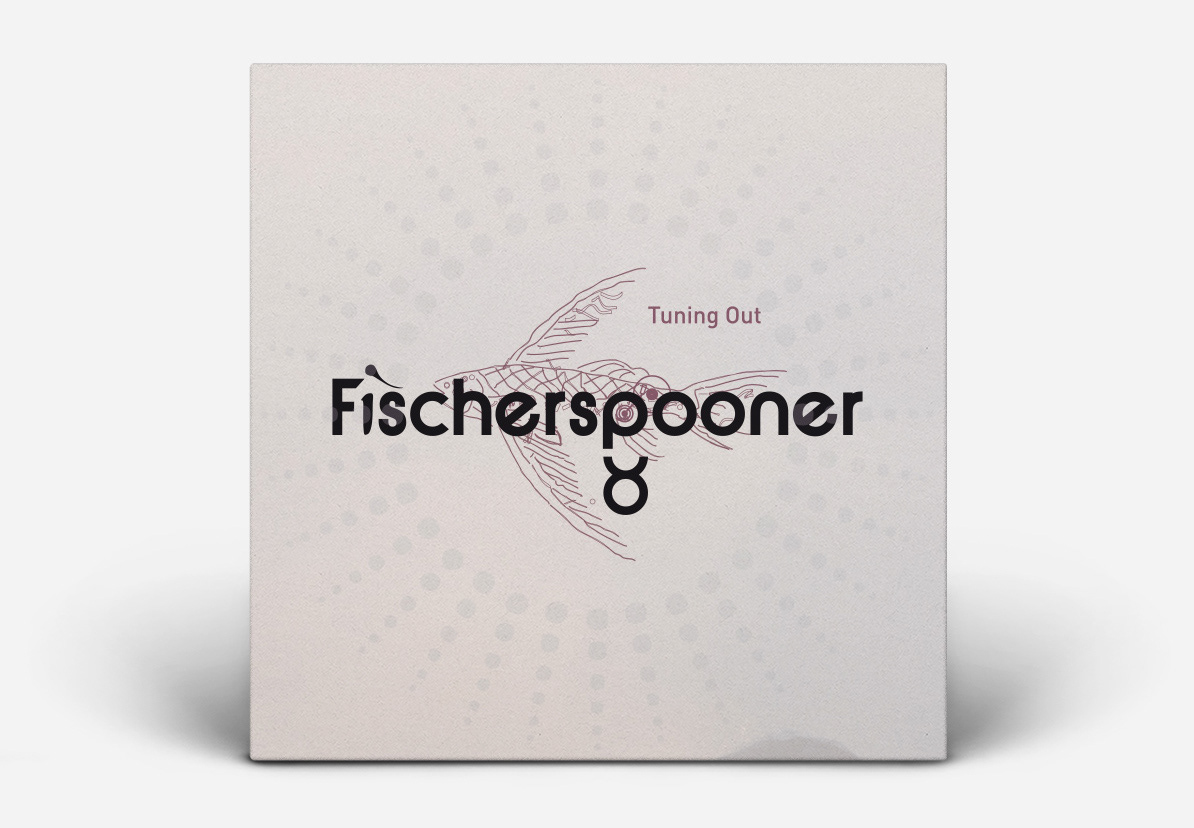
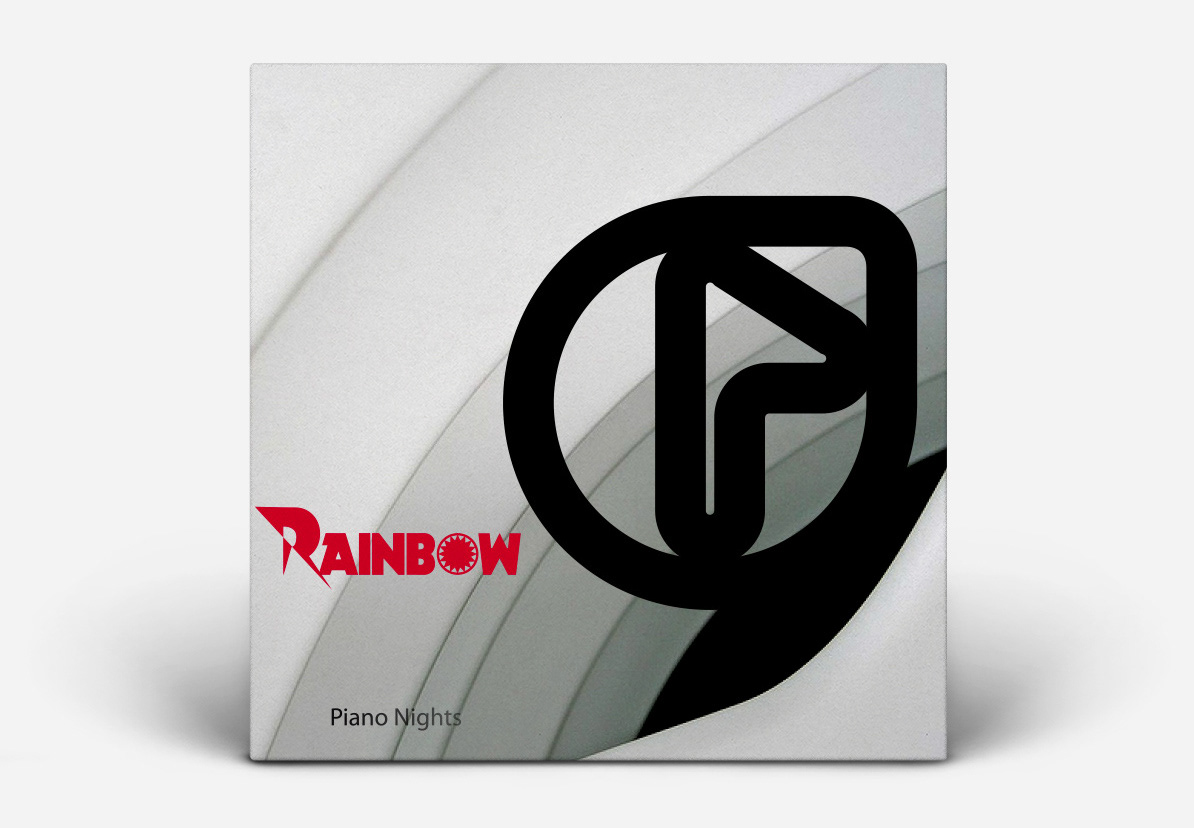
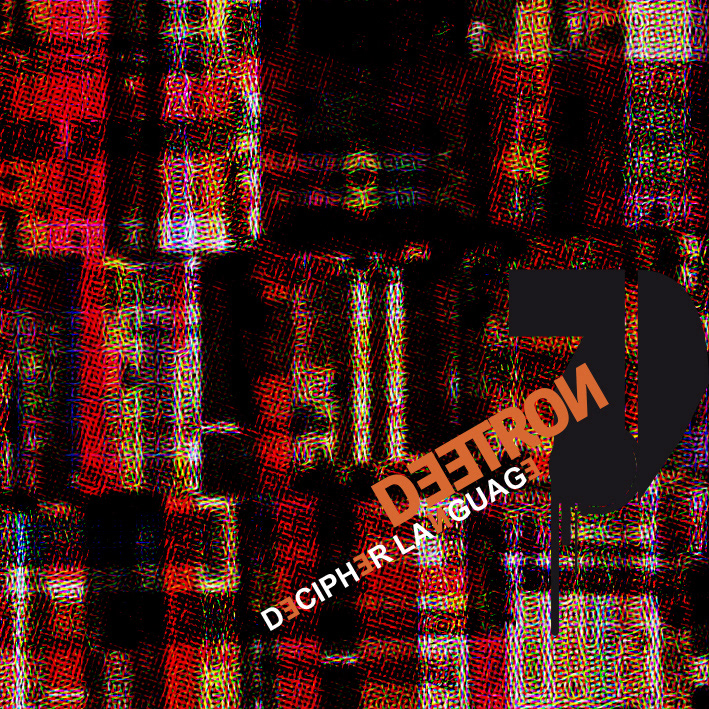
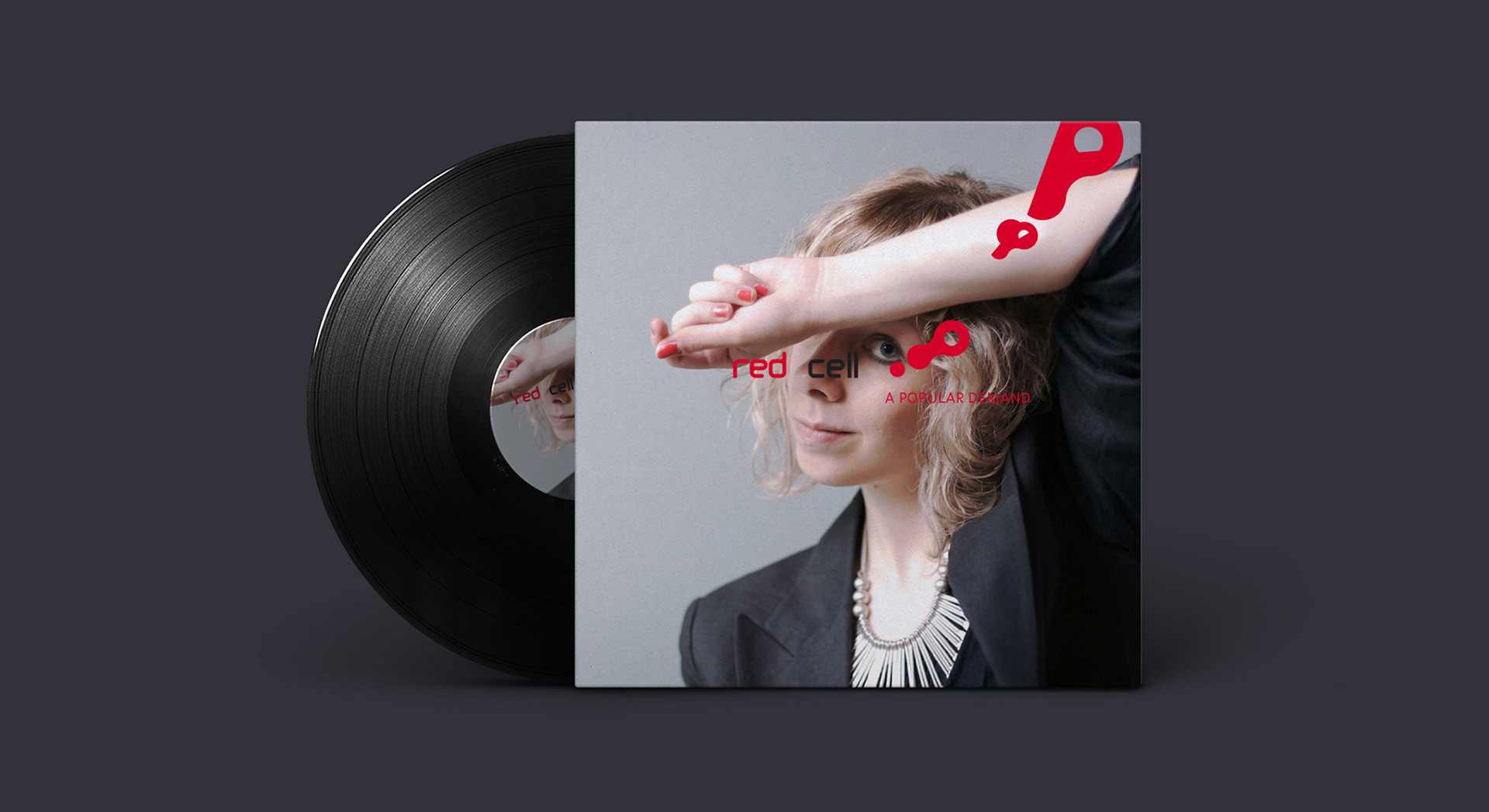
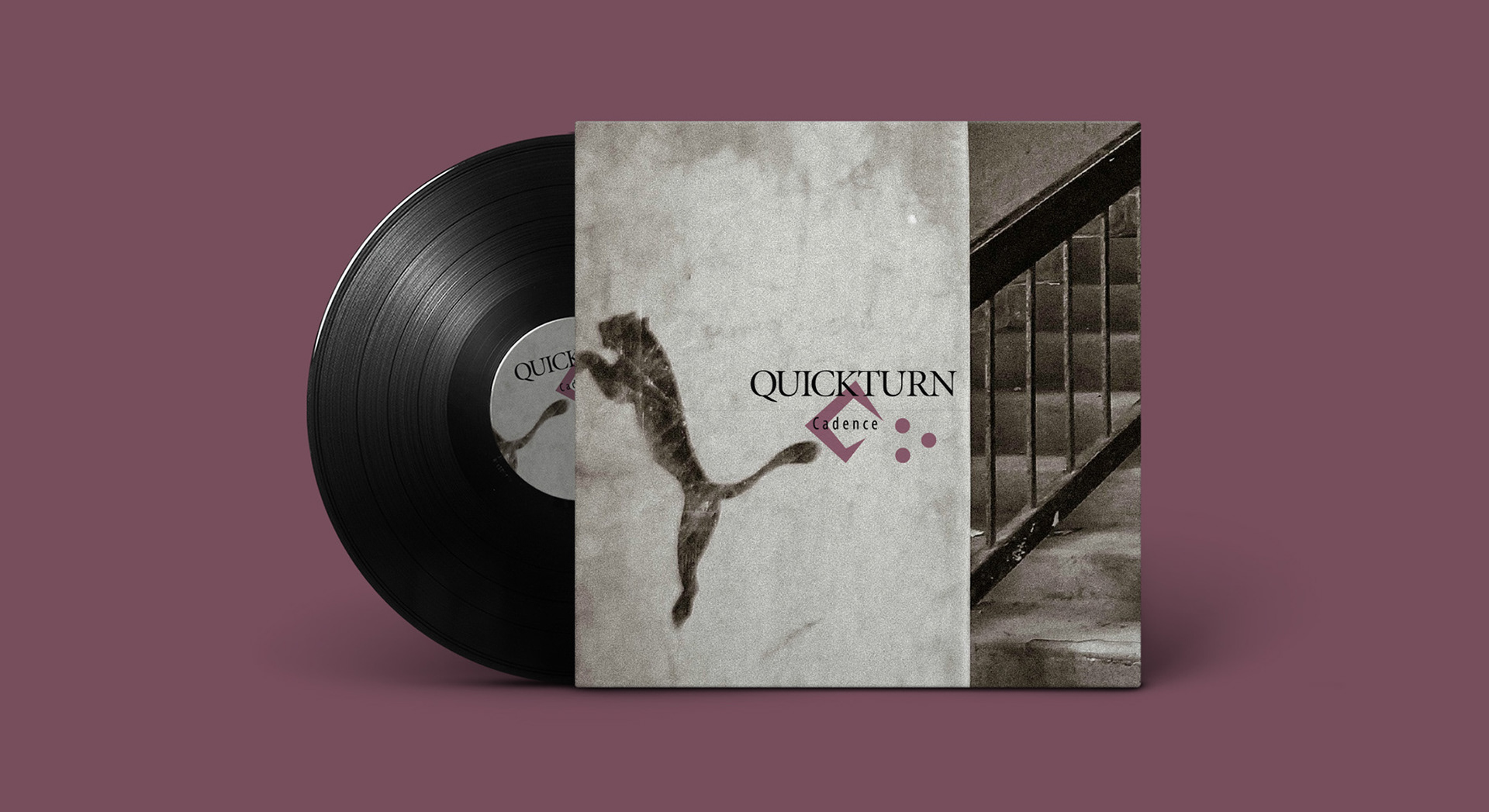
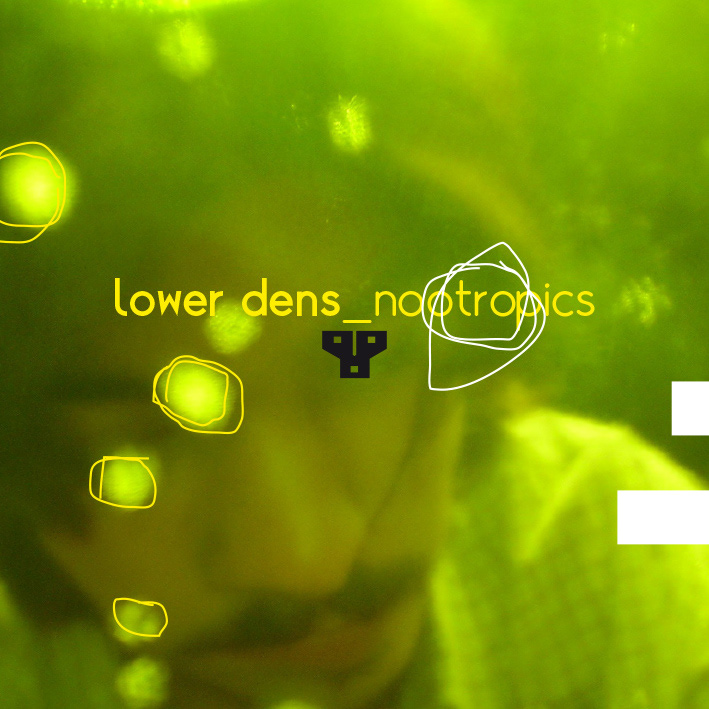
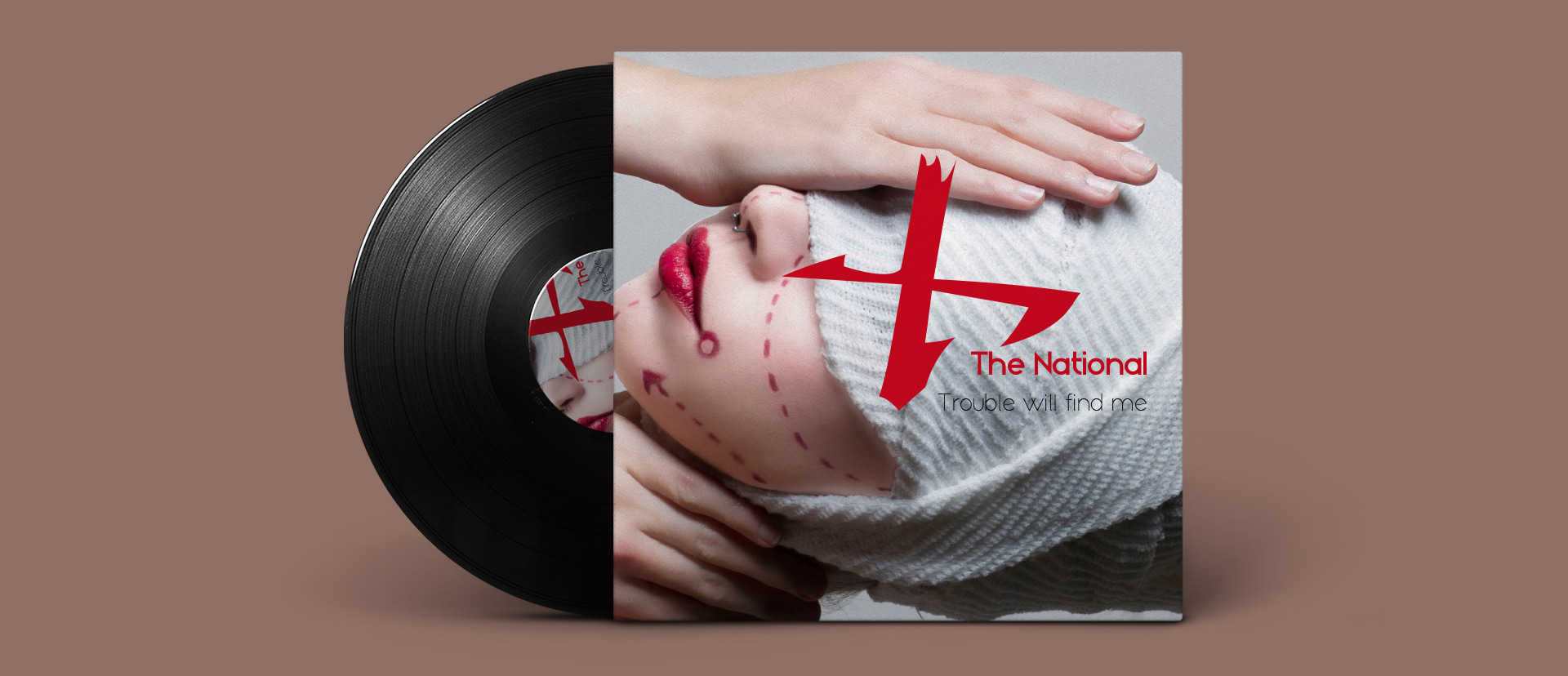
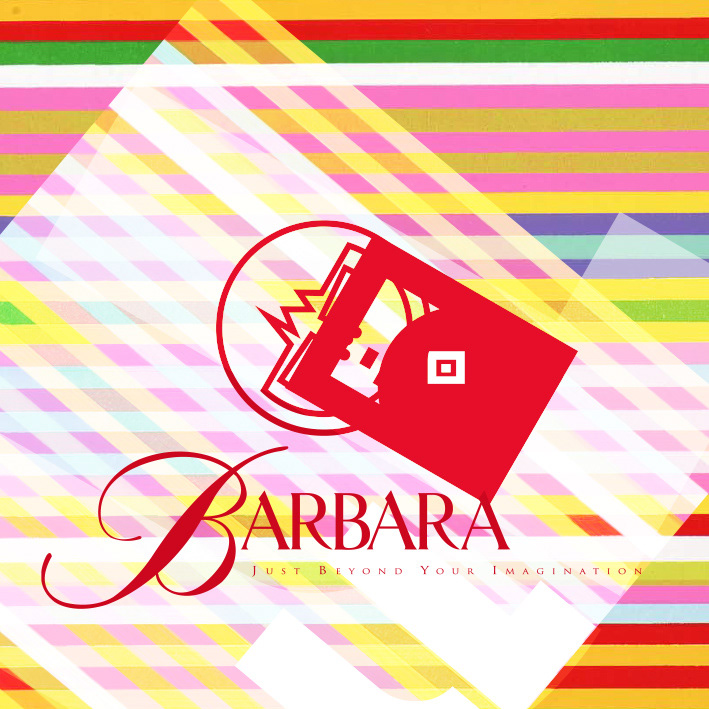
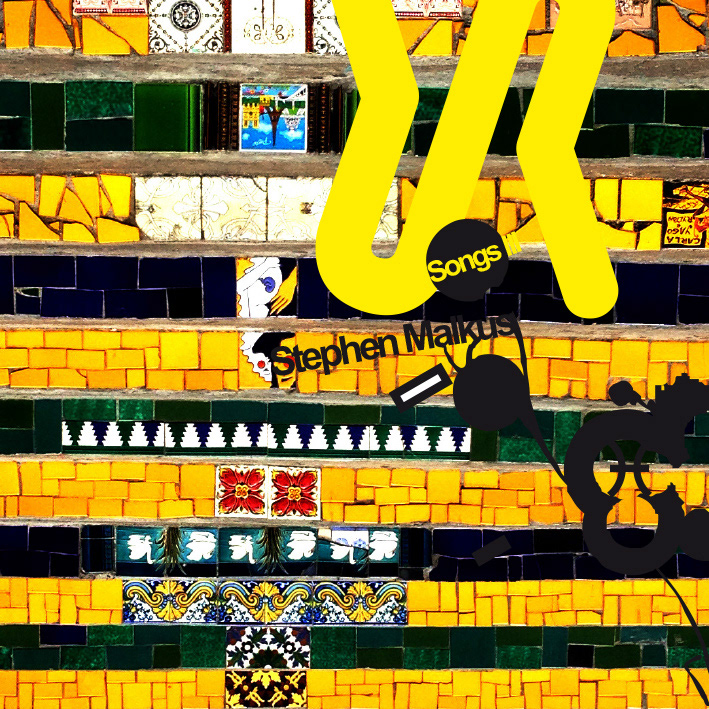
A cover has one job that nobody states out loud: it has to sound like the record. Most designers solve that by developing a look and applying it, which produces a consistent portfolio and many records that feel wrong. I worked the other way, building each cover from the sound itself, across electronic, experimental, and ambient releases. The common thread isn't a style; it is a method: find the spatial idea in the music and build the image from it.
CLIENT▸ Dr Hersha, Clinica + Self-initiated series
YEAR ▸ 2010-2015
AREA ▸ Music — Cover Art, Illustration
AUDIENCE ▸ Listener, Label, Artist
SCOPE ▸ Cover art, illustration, typography, print production
SCALE ▸ 8 templates, 4-month engagement
ROLE ▸ Art Director and Illustrator
TEAM ▸ Solo, direct to the artists and labels
PROCESS ▸ Listening and brief → spatial concept → composition and type → print-ready files for CD and vinyl formats
YEAR ▸ 2010-2015
AREA ▸ Music — Cover Art, Illustration
AUDIENCE ▸ Listener, Label, Artist
SCOPE ▸ Cover art, illustration, typography, print production
SCALE ▸ 8 templates, 4-month engagement
ROLE ▸ Art Director and Illustrator
TEAM ▸ Solo, direct to the artists and labels
PROCESS ▸ Listening and brief → spatial concept → composition and type → print-ready files for CD and vinyl formats

The Challenge
Music that is abstract by nature, with no obvious image attached to it
A different artist each time, each needing to look like themselves and not like each other
Two formats, a 120mm CD face and a 12-inch sleeve, that reward completely different compositions
Music that is abstract by nature, with no obvious image attached to it
A different artist each time, each needing to look like themselves and not like each other
Two formats, a 120mm CD face and a 12-inch sleeve, that reward completely different compositions
Strategic Approach
Started from the sound, not from a reference board
Refused a house style, since a recognizable designer on a cover is usually a failure
Treated the sleeve as an object rather than an image, because a record gets held
Started from the sound, not from a reference board
Refused a house style, since a recognizable designer on a cover is usually a failure
Treated the sleeve as an object rather than an image, because a record gets held
Creative Solution
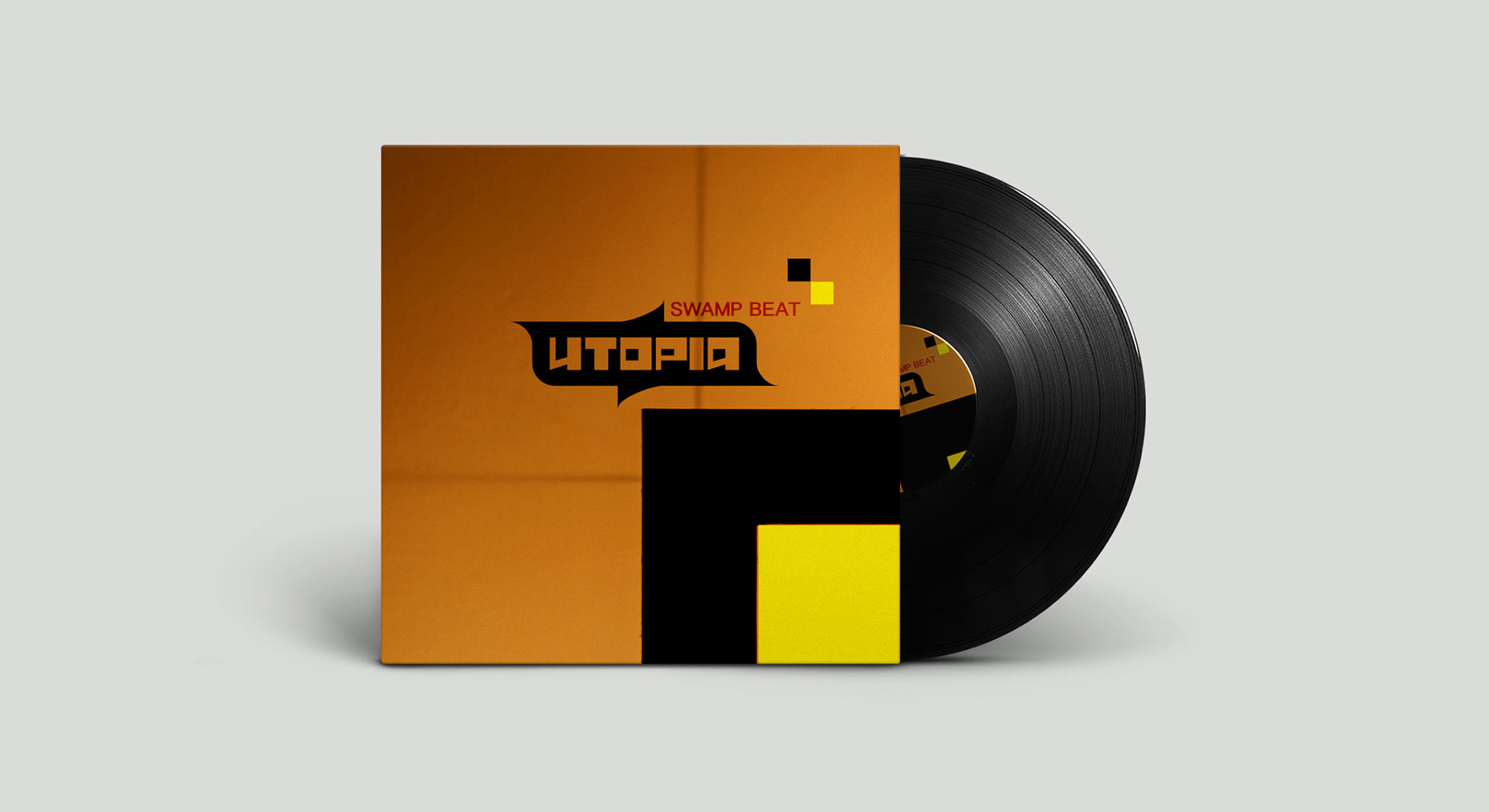
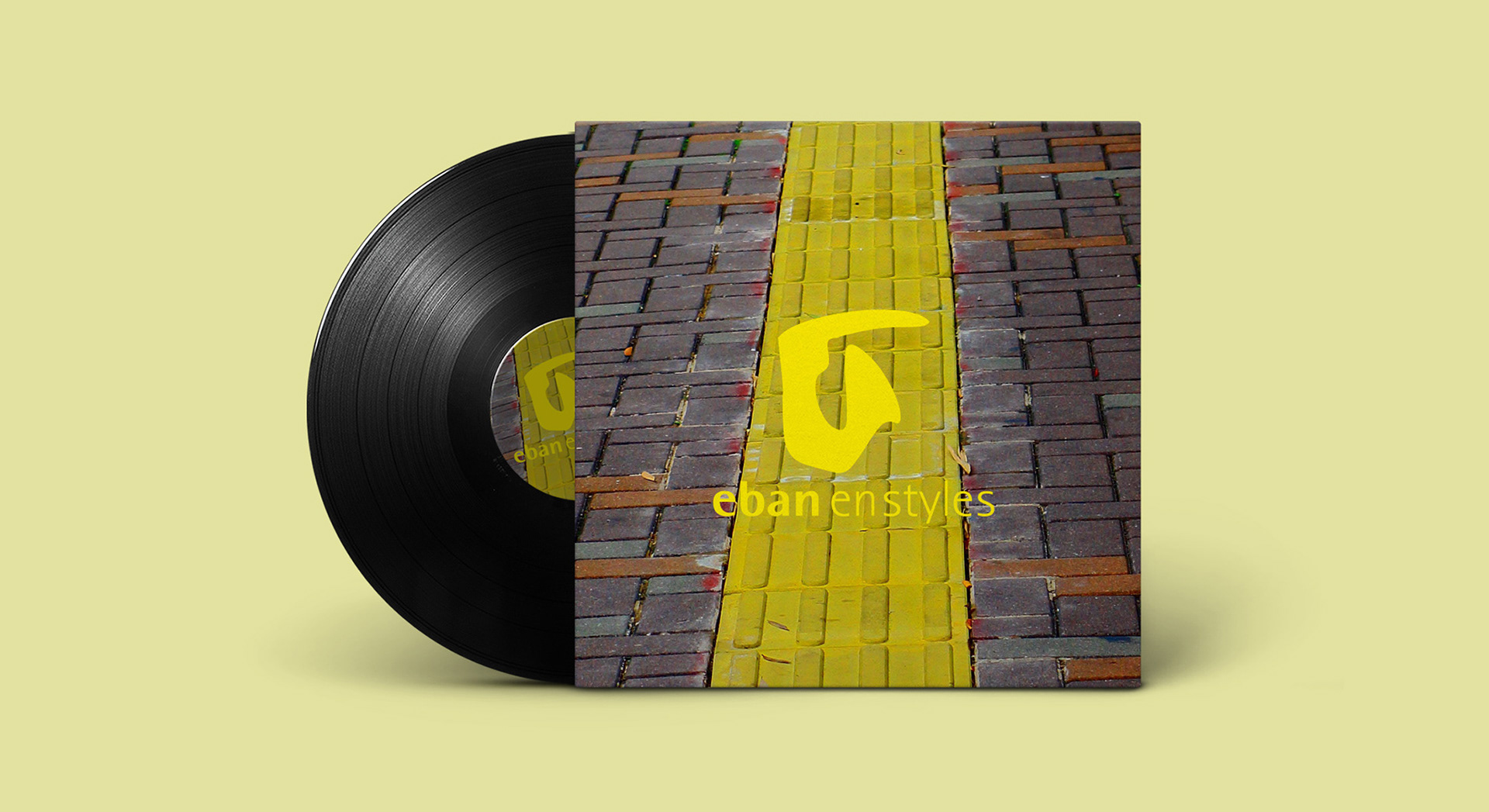
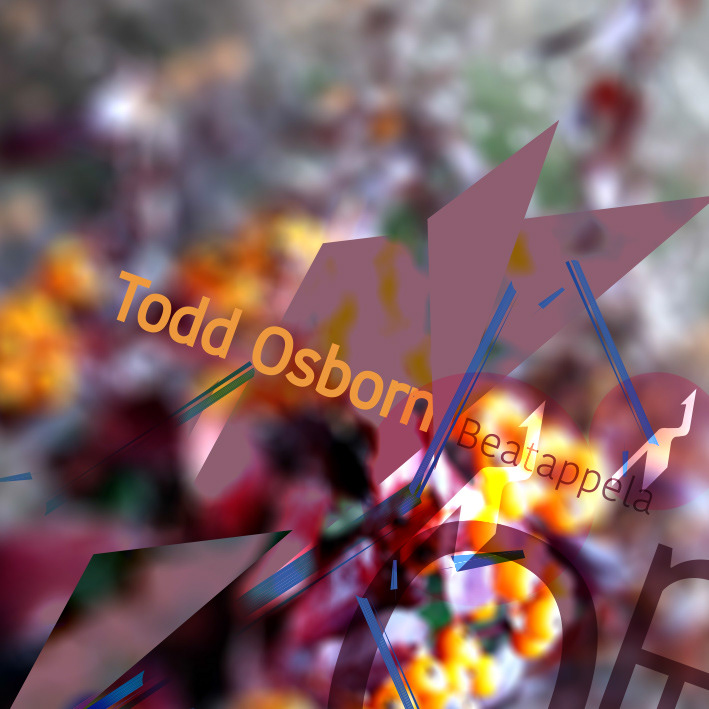
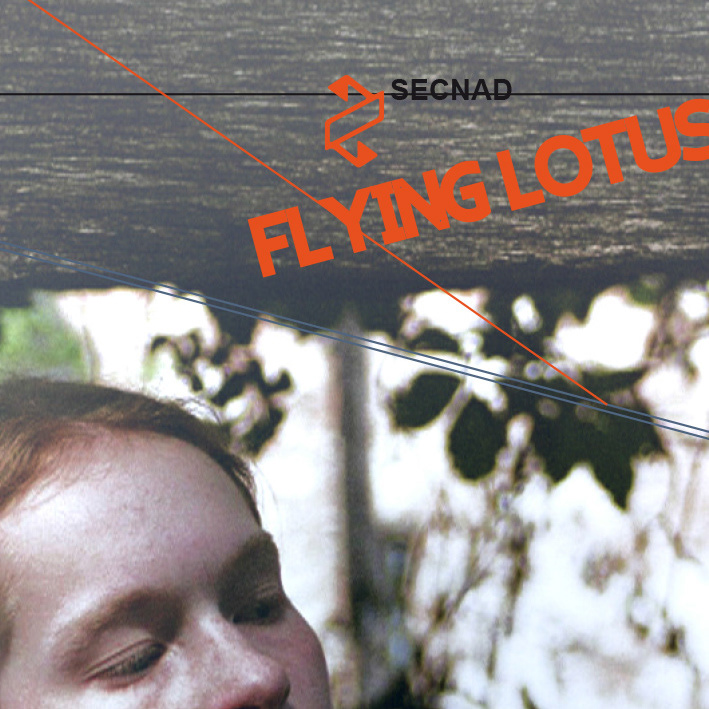
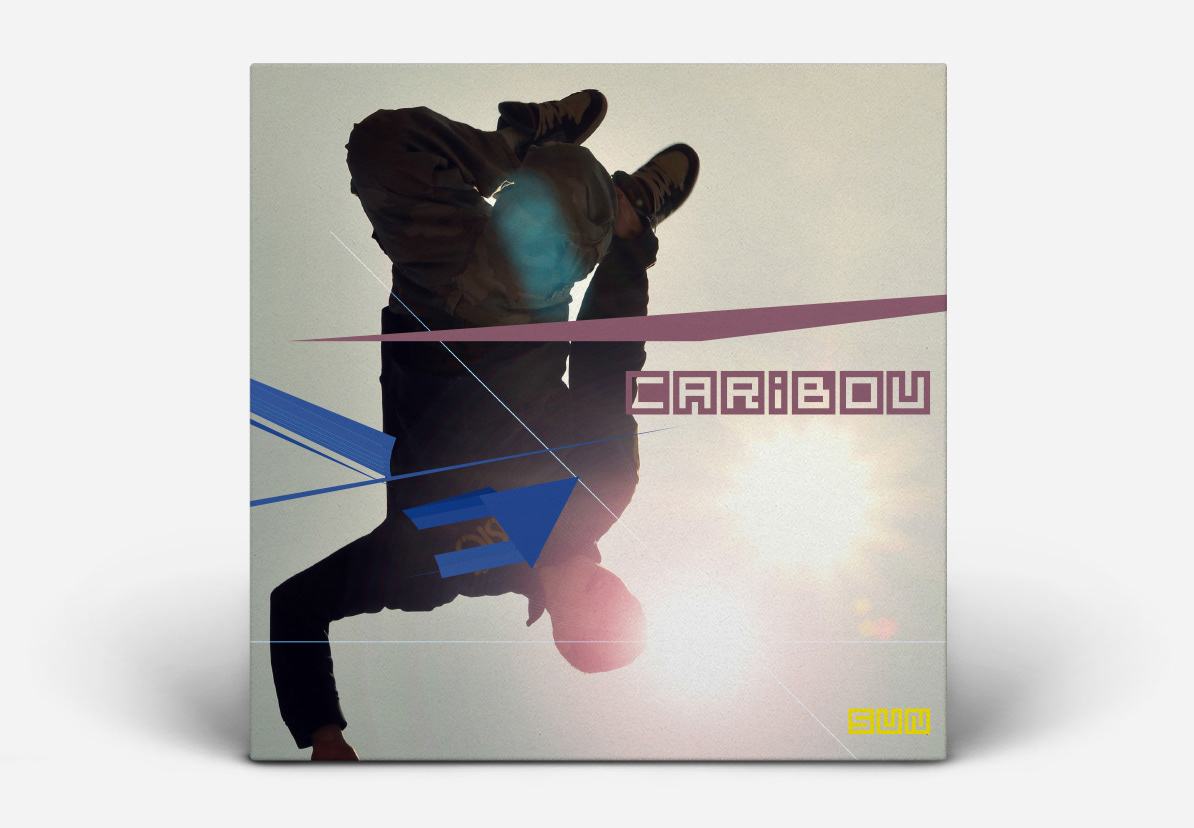
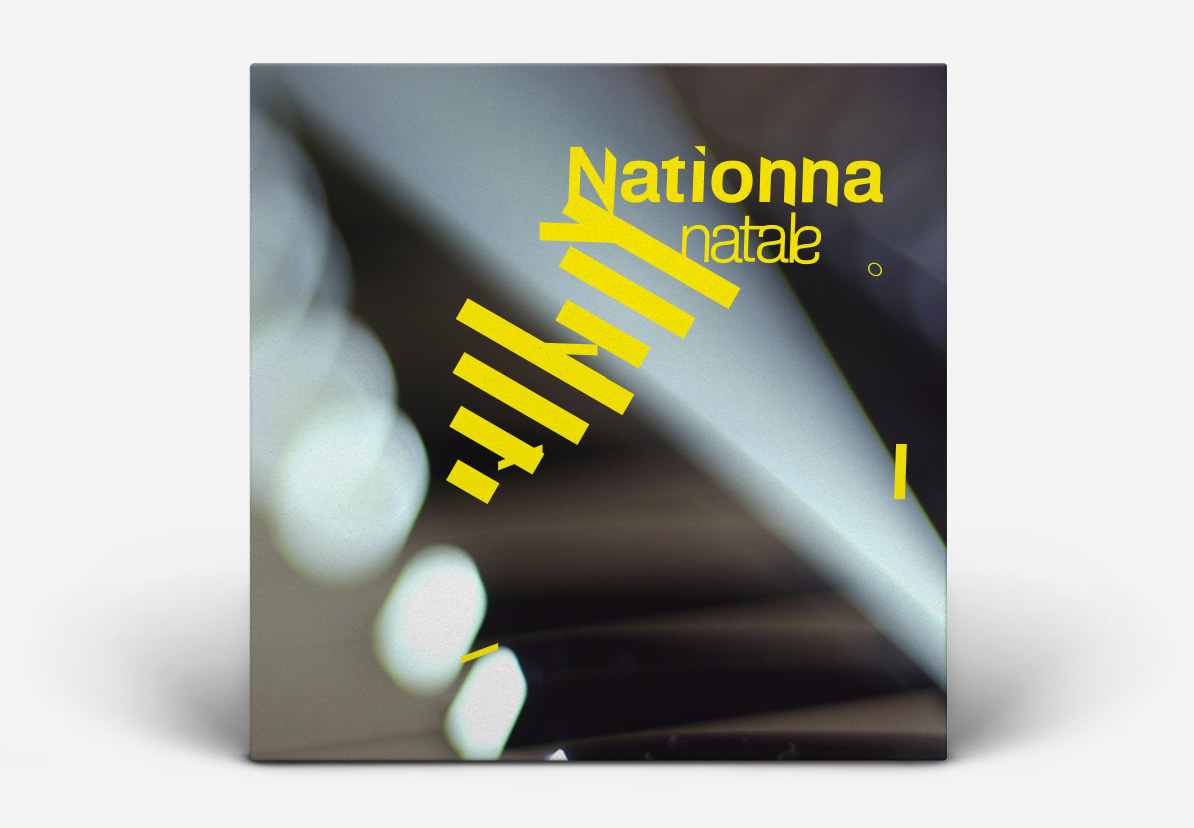
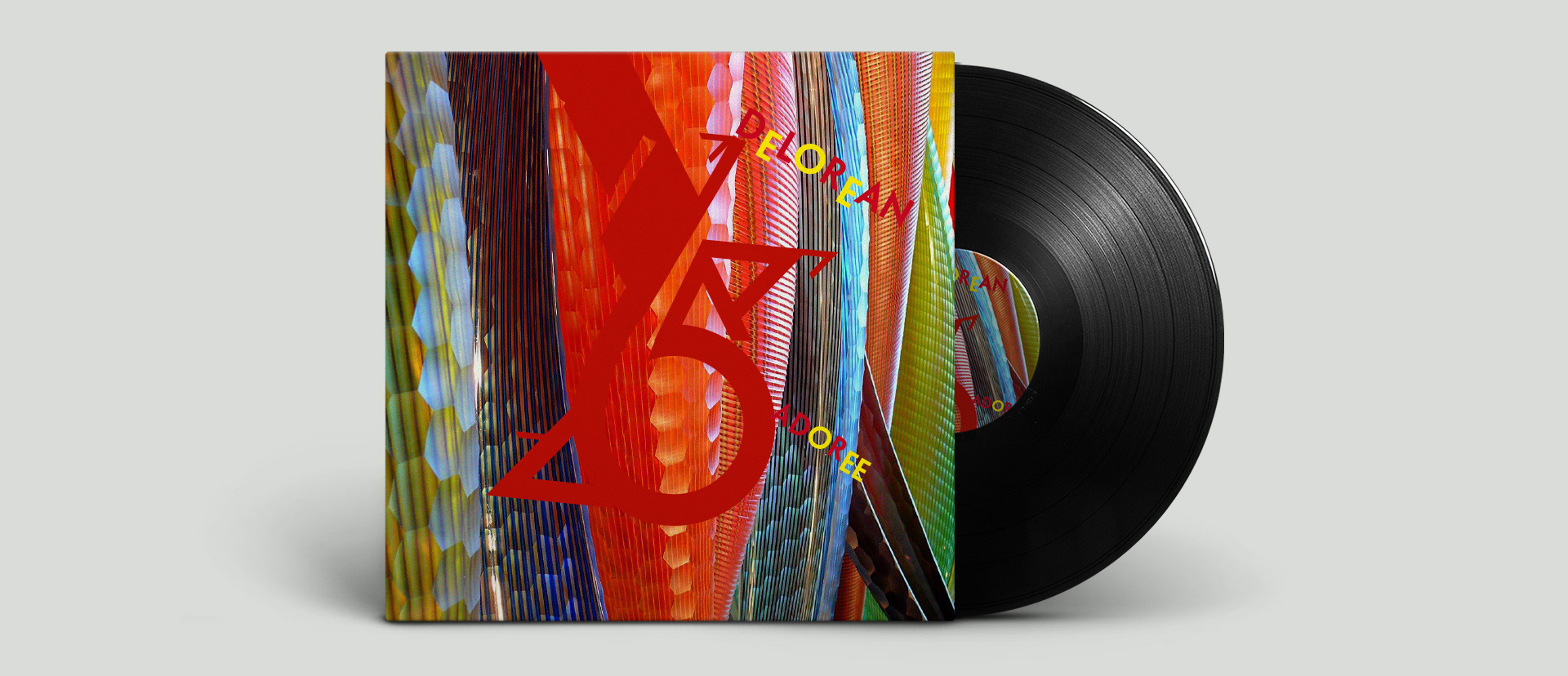
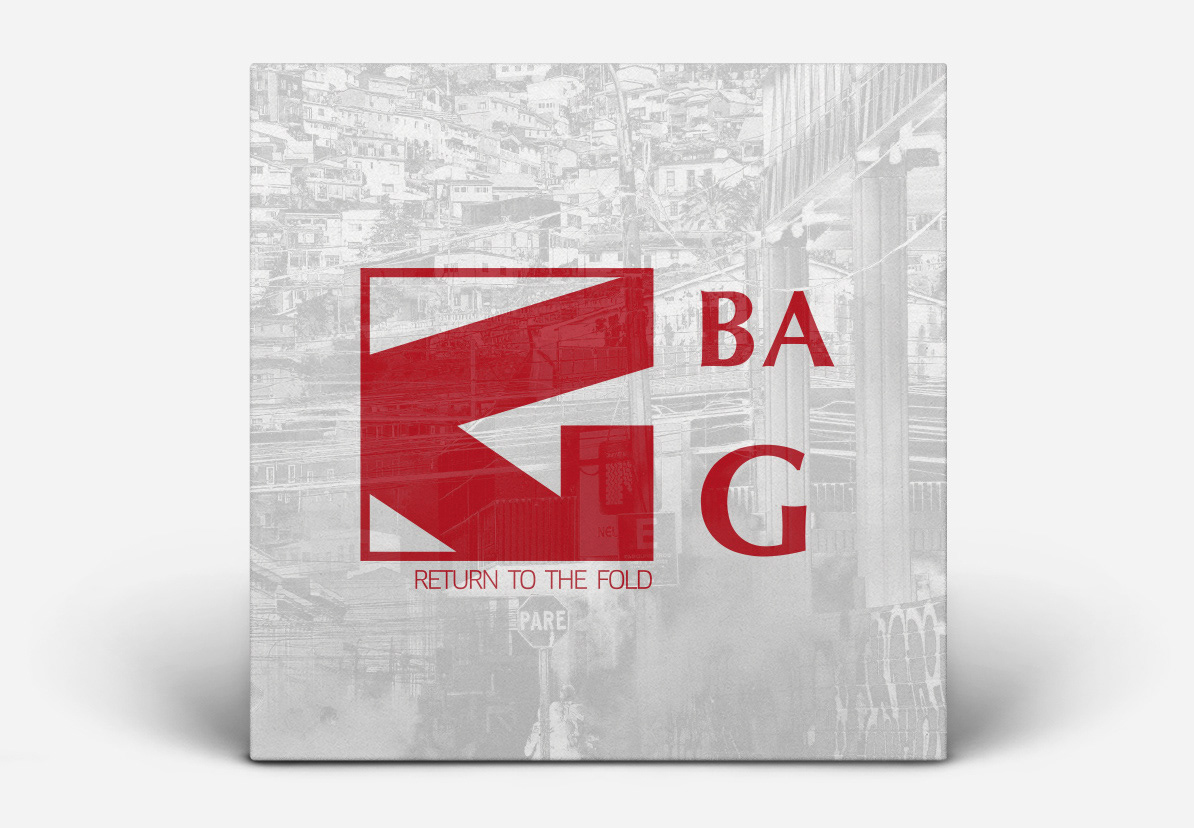
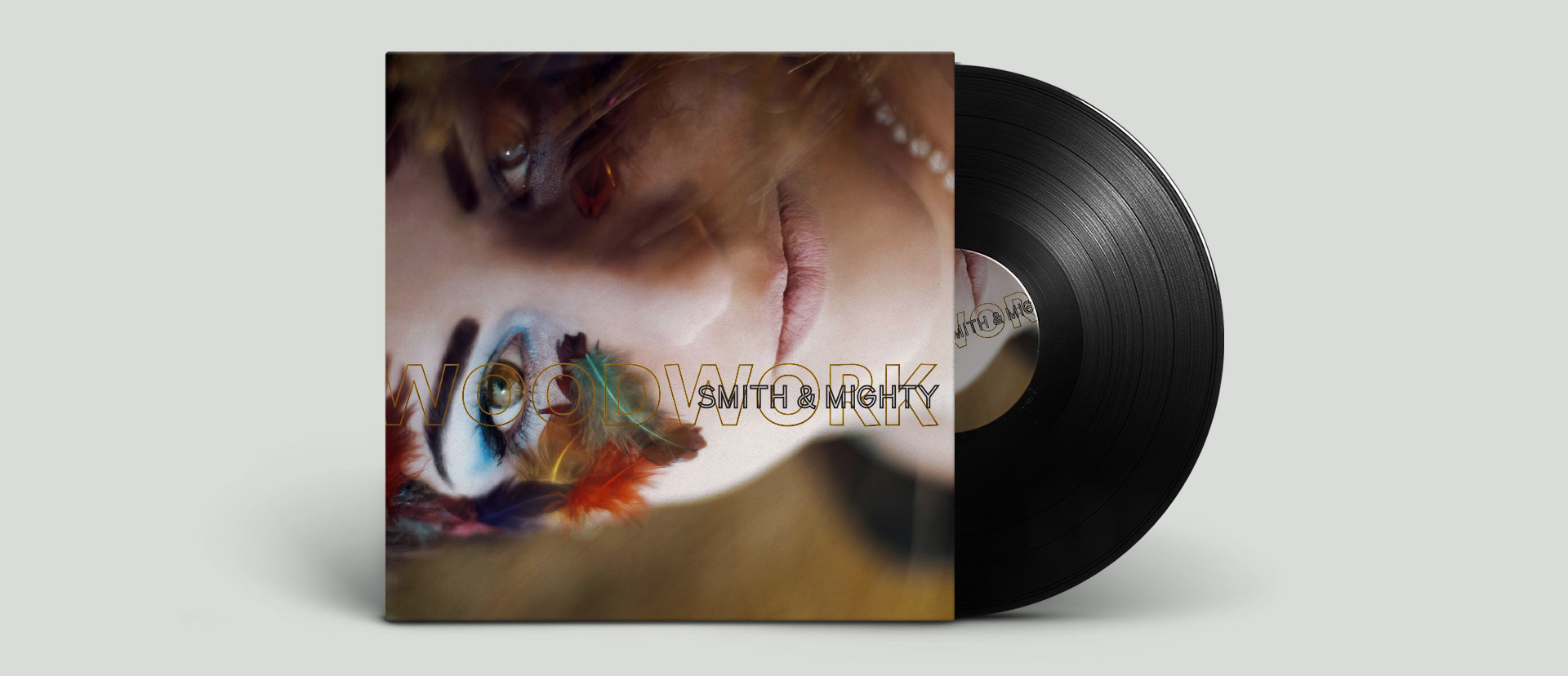
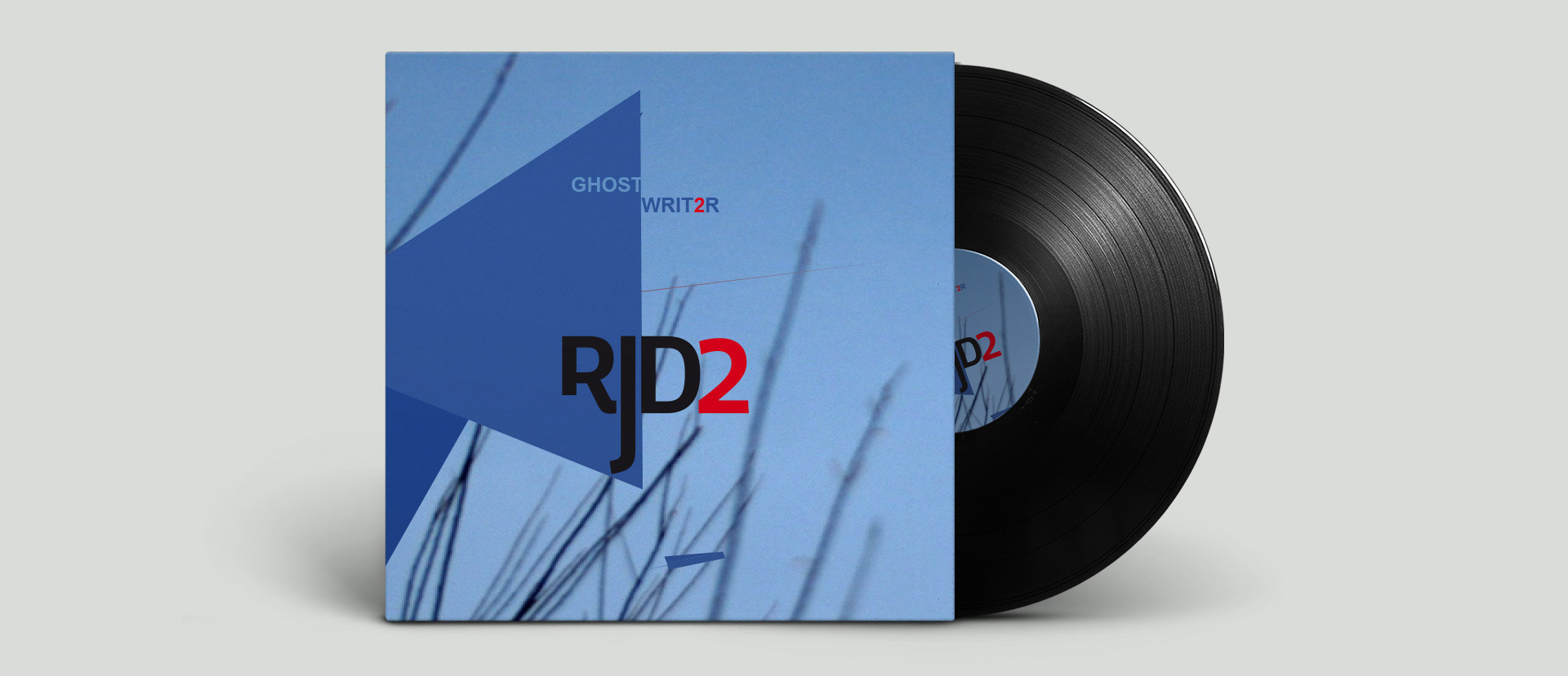
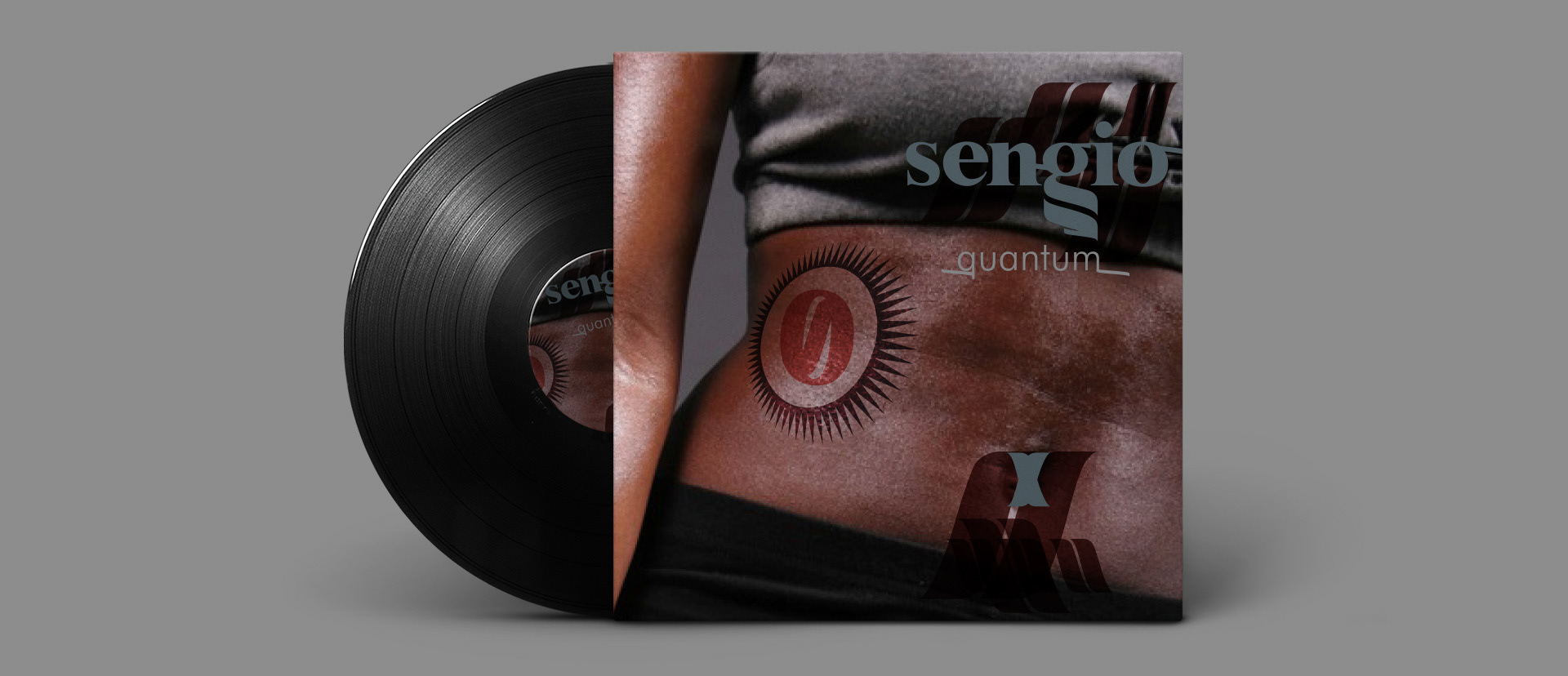
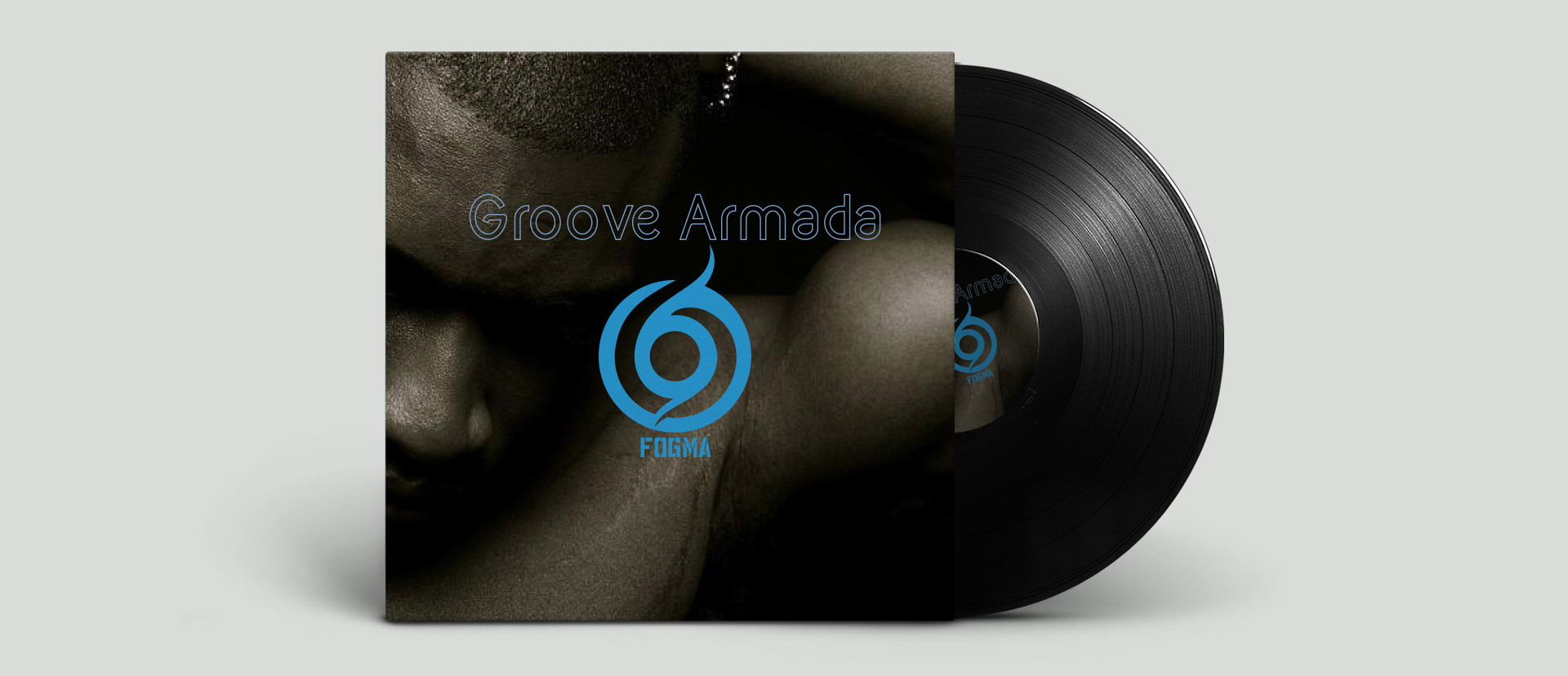
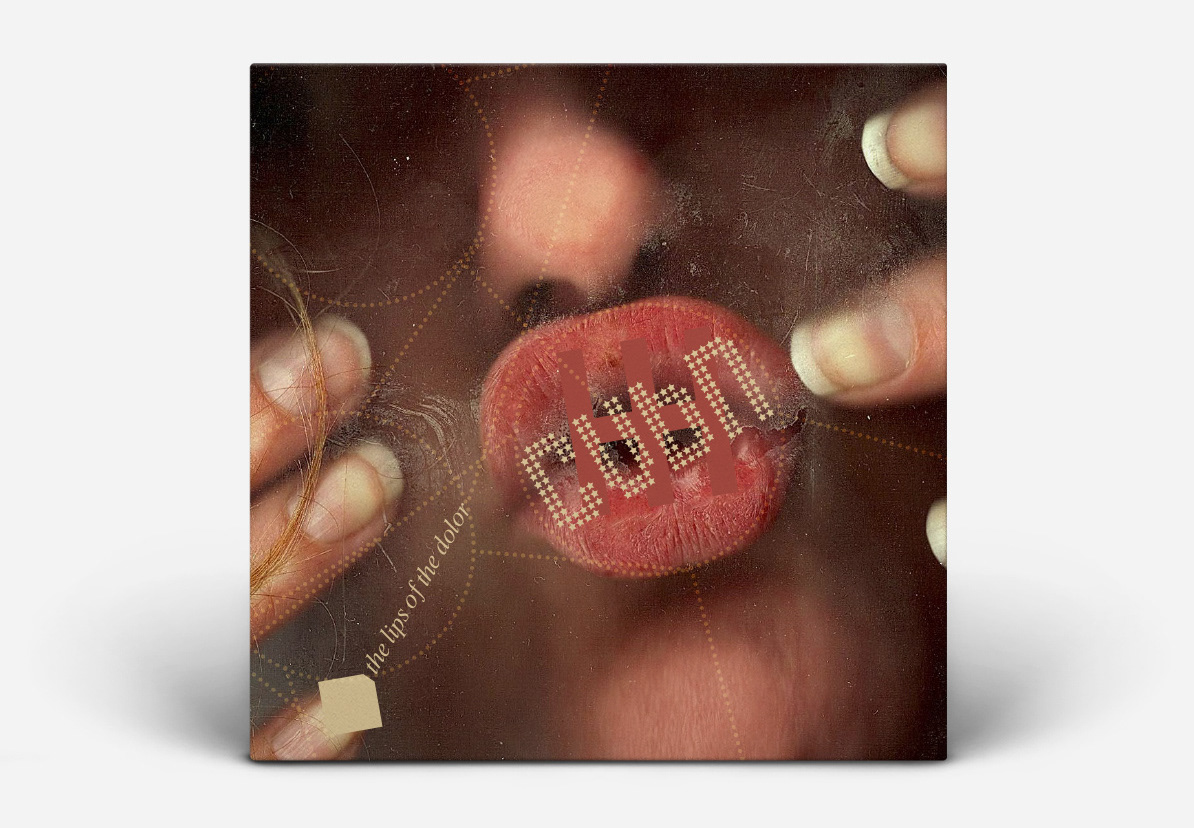
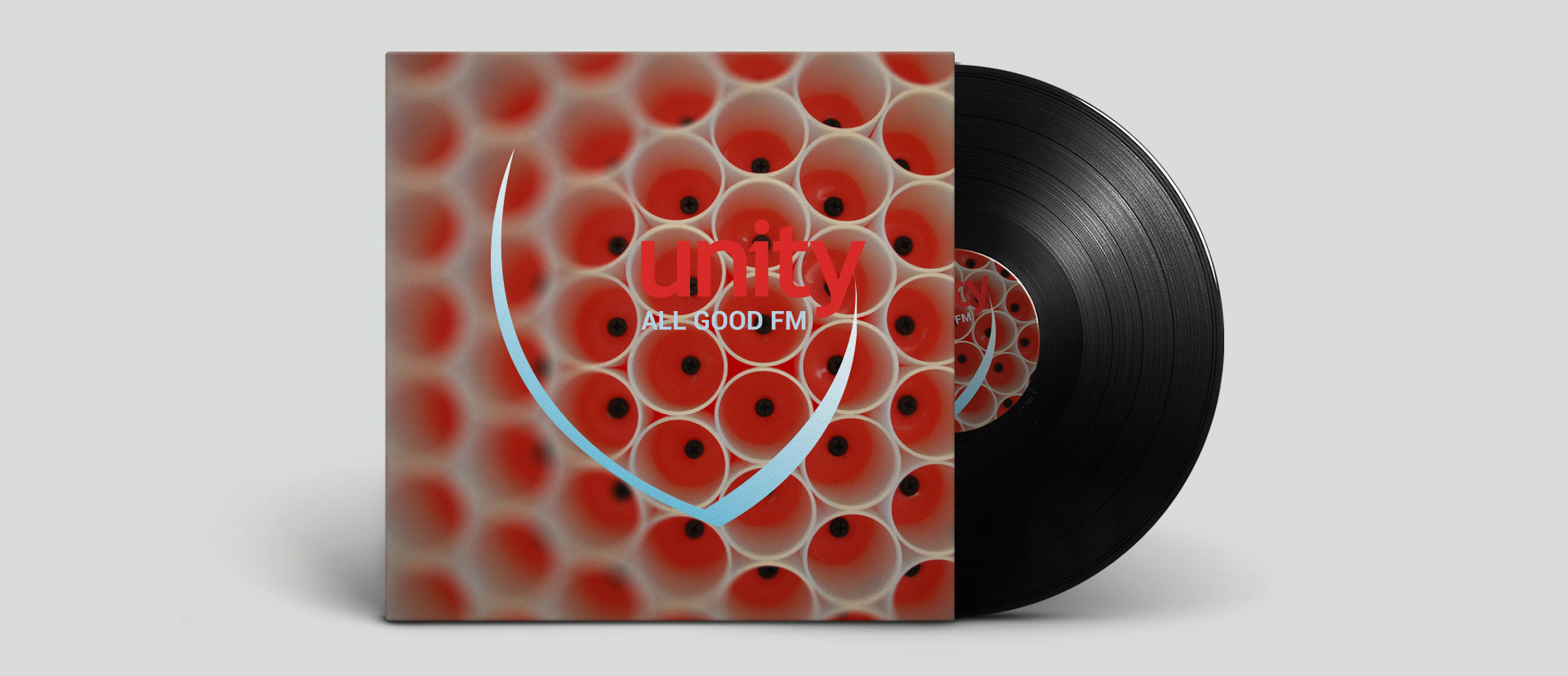
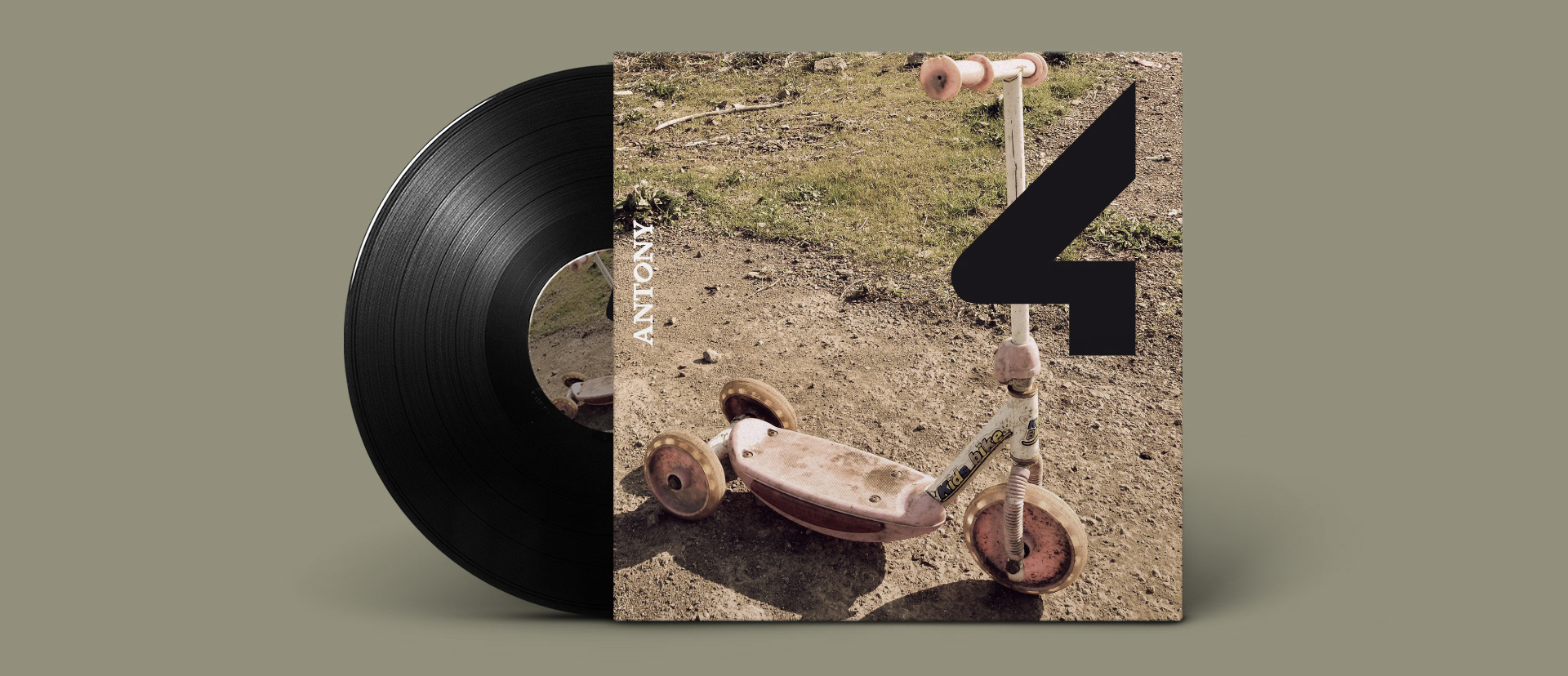
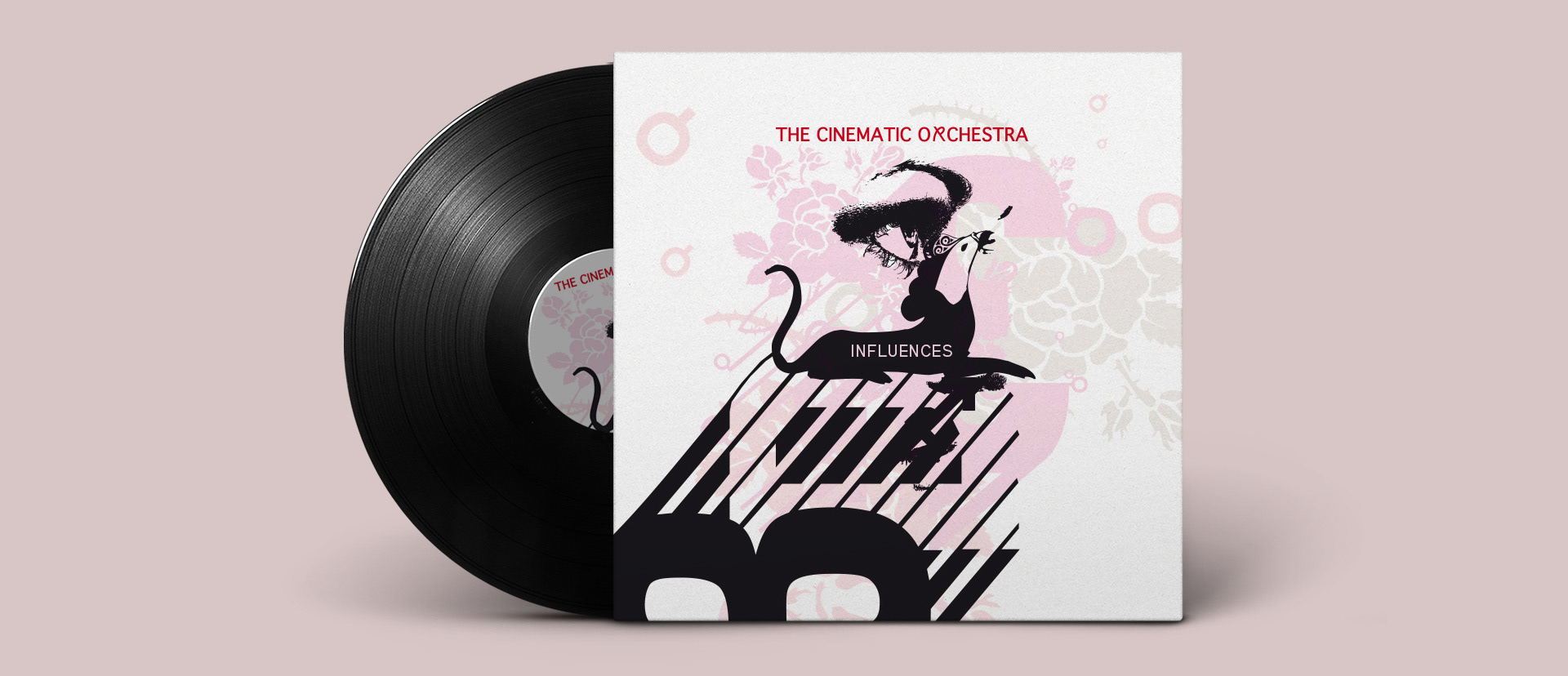
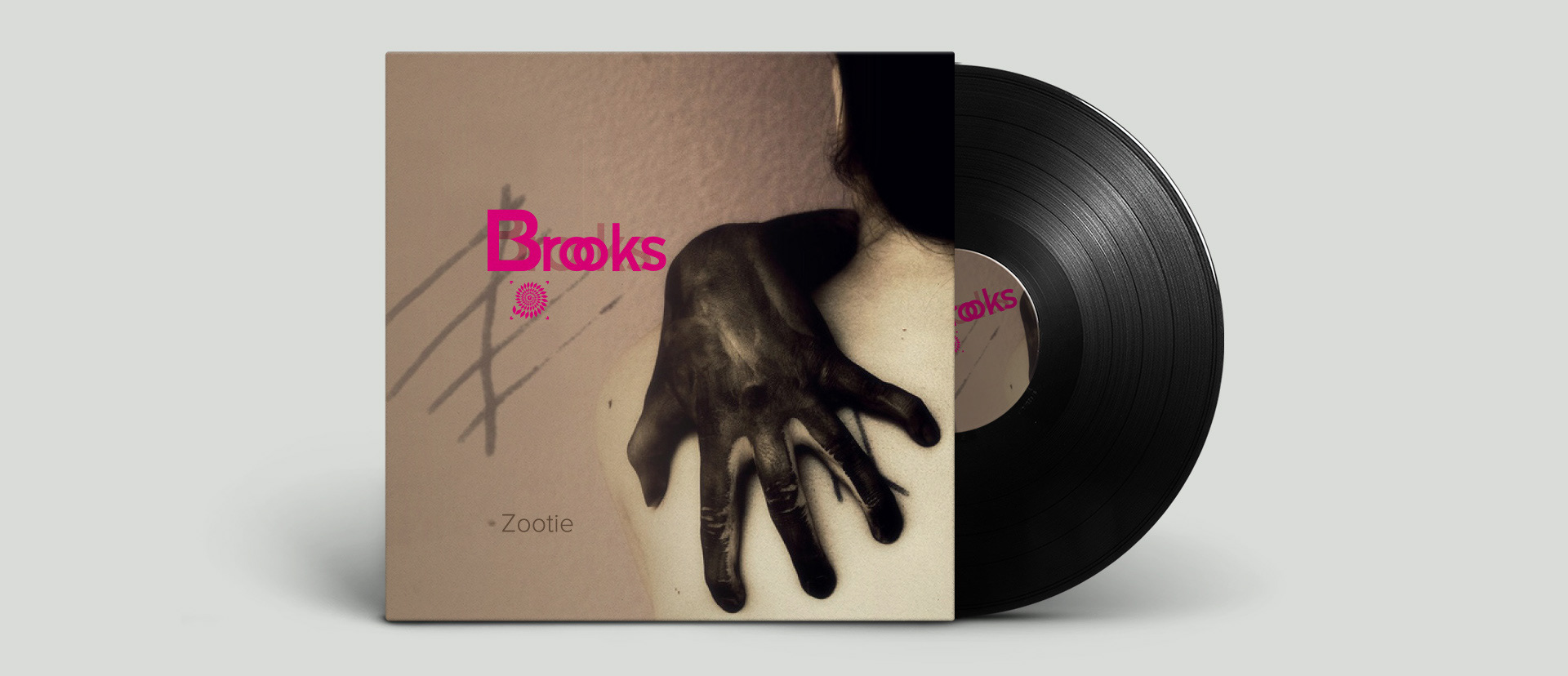
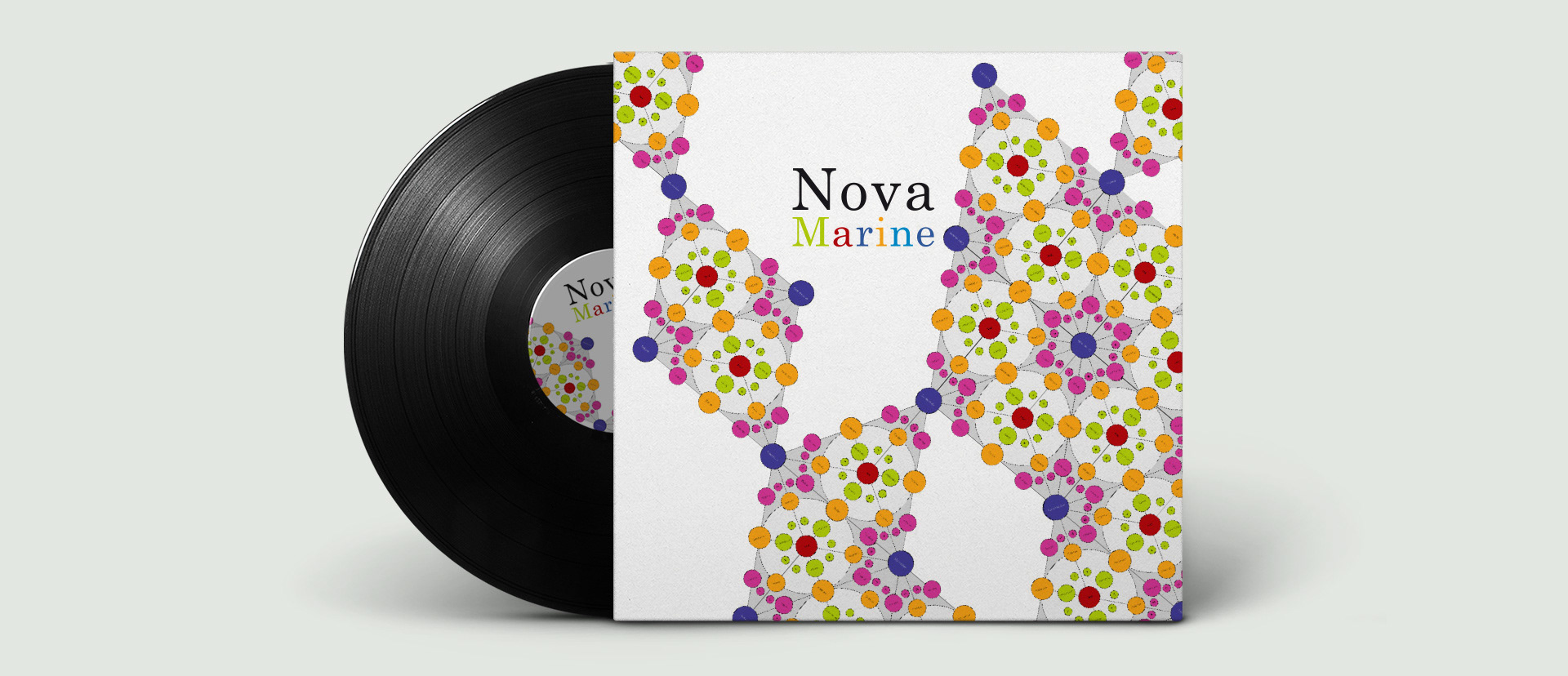
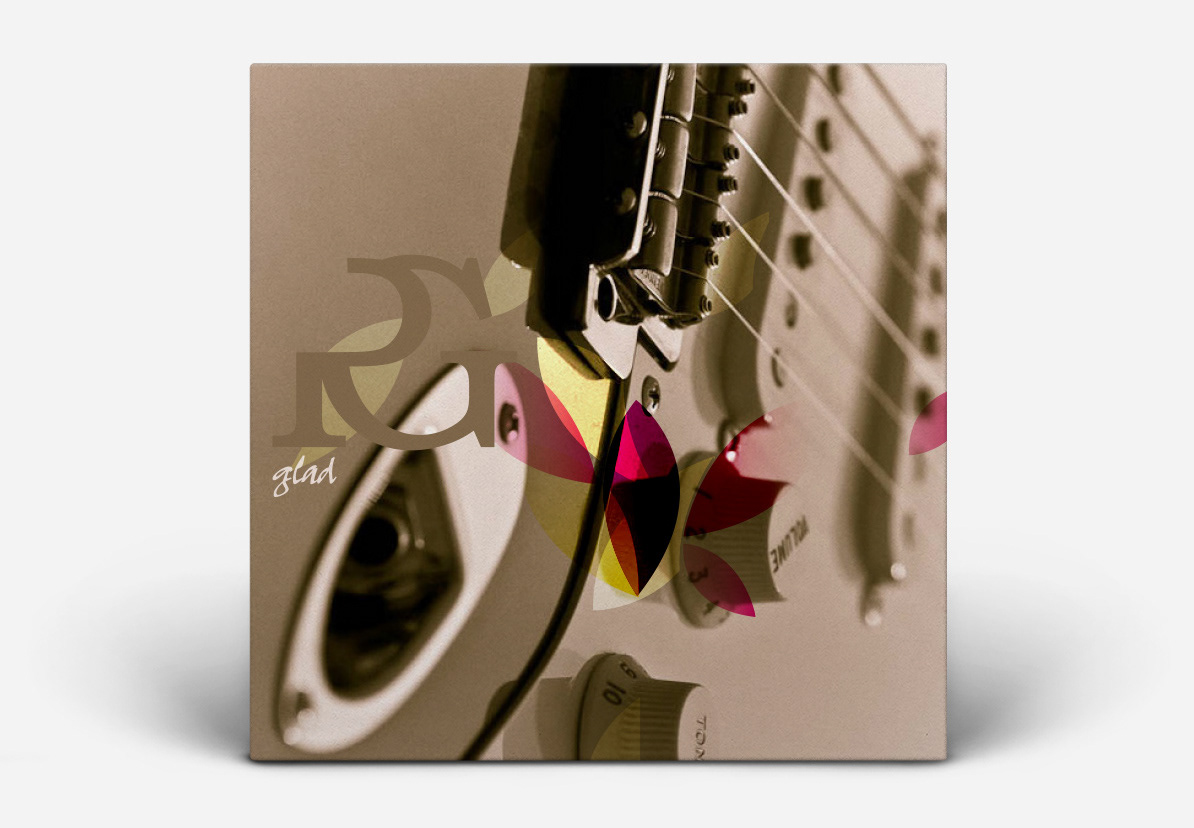
Abstract and geometric structures drawn from the spatial behavior of the music
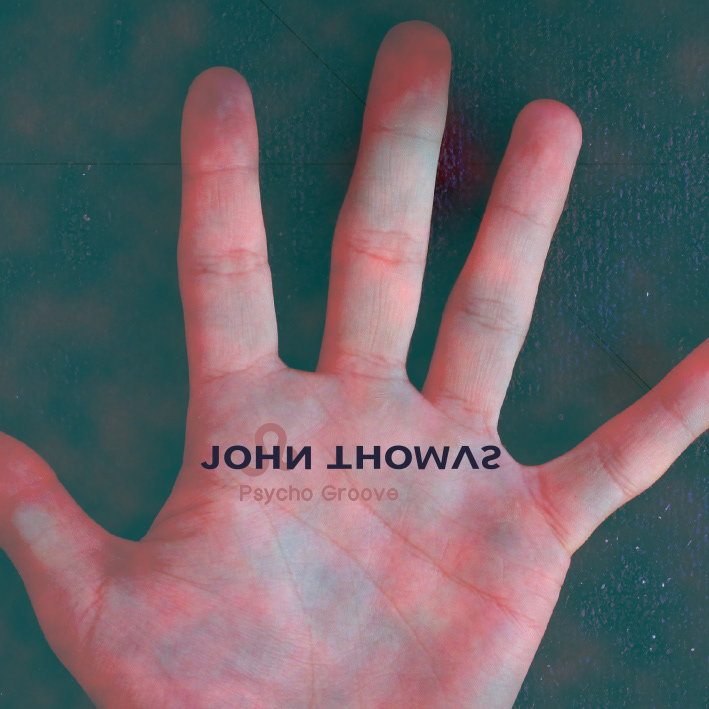
Layered texture and bold color fields carrying the emotional register
Typography kept quiet, so it places the record without competing with it
Abstract and geometric structures drawn from the spatial behavior of the music
Layered texture and bold color fields carrying the emotional register
Typography kept quiet, so it places the record without competing with it
Scope & System
Original illustration and composition per release
Typographic treatment and hierarchy
Print-ready files for CD and vinyl formats
Original illustration and composition per release
Typographic treatment and hierarchy
Print-ready files for CD and vinyl formats
Deliverables
+ Cover artwork across 5 releases
+ Print production files for both formats
+ Additional assets: back covers, inner sleeves, digital crops
+ Cover artwork across 5 releases
+ Print production files for both formats
+ Additional assets: back covers, inner sleeves, digital crops
Role & Leadership
Art Director and illustrator, from the first listen to the print files.
Worked directly with the artists and labels, no agency layer.
The argument: a cover designer with a signature is selling their own work on someone else's record. The discipline is disappearing into each release and is recognizable only because every one of them fits.
Art Director and illustrator, from the first listen to the print files.
Worked directly with the artists and labels, no agency layer.
The argument: a cover designer with a signature is selling their own work on someone else's record. The discipline is disappearing into each release and is recognizable only because every one of them fits.





On The Work
This is the closest my design work comes to my painting practice.
Both start with the same question: how to give a spatial idea physical form. Covers are where the two meet, and where the abstraction has to answer to something outside itself.
Both start with the same question: how to give a spatial idea physical form. Covers are where the two meet, and where the abstraction has to answer to something outside itself.


















Got a record that needs a cover it deserves?